
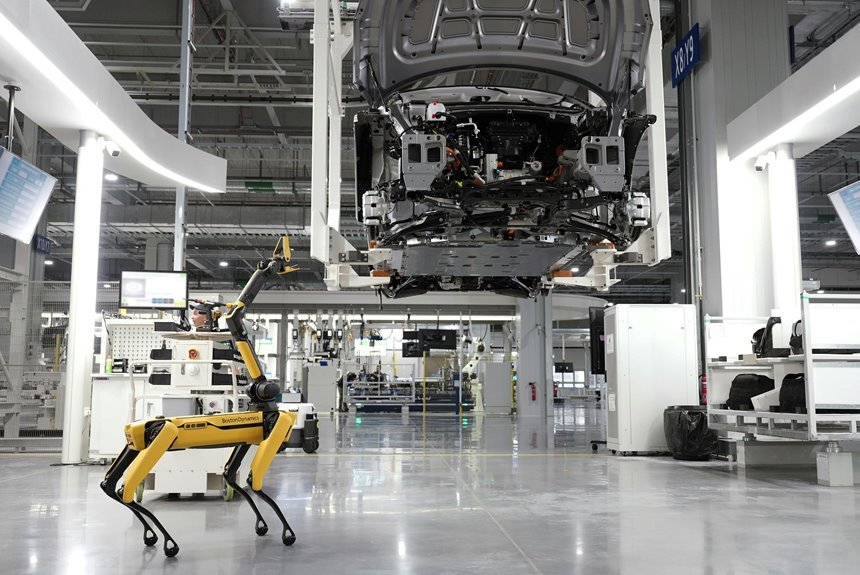
Digital automation systems, particularly Model 3783041149, are gaining traction in the business sector due to their potential to enhance operational efficiency. Organizations are increasingly recognizing the benefits of reduced manual intervention and improved performance metrics. The incorporation of AI and machine learning technologies further supports this trend, offering sophisticated predictive analytics. As businesses adapt to evolving market demands, the implications of this growth warrant closer examination. What specific factors are driving this change?
The Rise of Digital Automation Systems in Business
As businesses increasingly seek efficiency and cost-effectiveness, the adoption of digital automation systems has surged, fundamentally transforming operational landscapes.
These systems enhance business efficiency by streamlining processes and reducing manual intervention. Consequently, organizations realize substantial operational cost savings, enabling them to allocate resources more strategically.
The rise of these technologies reflects a pivotal shift towards maximizing productivity while maintaining competitive advantage in a rapidly evolving market.
Key Benefits of Implementing Model 3783041149
Implementing Model 3783041149 offers several key benefits that can significantly enhance organizational efficiency and performance.
This model enables substantial cost savings through streamlined processes and reduced resource wastage. Additionally, its emphasis on operational efficiency facilitates faster task execution and improved accuracy.
How Do AI and Machine Learning Enhance Automation Growth?
While traditional automation systems have significantly improved operational efficiency, the integration of artificial intelligence (AI) and machine learning (ML) presents a transformative opportunity for further growth.
AI advancements enable predictive analytics and enhanced decision-making capabilities, while machine learning applications optimize processes through adaptive learning.
Together, these technologies facilitate greater flexibility, allowing organizations to respond more rapidly to market changes and operational demands.
Future Trends in Digital Automation Systems and Their Impact
With the rapid evolution of digital technologies, future trends in digital automation systems are poised to redefine operational landscapes across various industries.
Key developments will likely include enhanced cloud integration, enabling seamless data accessibility and collaboration.
Furthermore, workforce transformation will emerge as organizations adapt to automated processes, fostering skill development and innovation, ultimately leading to increased efficiency and a more agile workforce capable of navigating complex challenges.
Conclusion
In conclusion, the ascent of Digital Automation Systems, particularly Model 3783041149, represents a paradigm shift akin to the transition from steam power to electricity in industrial processes. By harnessing the capabilities of AI and machine learning, businesses not only streamline operations but also unlock new realms of efficiency and adaptability. As organizations continue to embrace this technological evolution, they pave the way for sustainable growth and a competitive edge, ensuring they remain resilient in an ever-changing market landscape.